
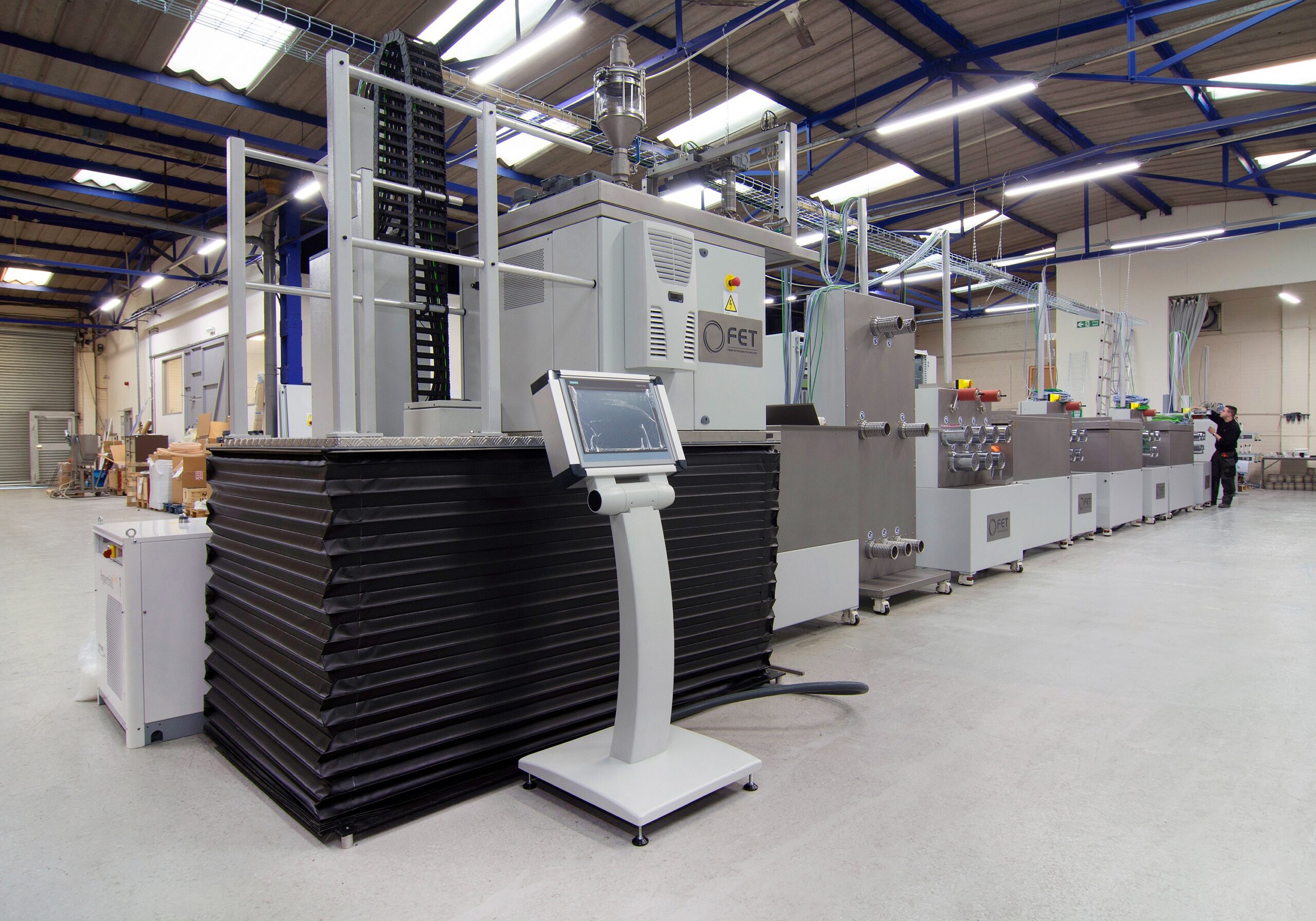
Melt spinning machines are vital tools for making synthetic fibers. From lab research to small-scale production, these machines help turn melted polymers into strong, usable fibers. Understanding how they work can make your experiments or production more efficient and effective.
What is a Melt Spinning Machine?
A melt spinning machine melts polymers and forms them into thin fibers. The molten polymer passes through tiny holes called spinnerets, and as it cools, it becomes solid filaments. These fibers are then used in textiles, industrial applications, or research projects.
If you’re looking for a reliable machine for research, the melt spinning machine from FYI Tester is perfect. For labs that need more control and automation, the melt spinning machine DW7090E is an excellent option.
How Melt Spinning Works
The process is simple but precise:
- Melting the Polymer: Heat the polymer until it’s liquid.
- Extrusion: Push the molten polymer through a spinneret to form filaments.
- Cooling: Cool the filaments using air or water to make them solid.
- Stretching (Drawing): Stretch the filaments to increase strength and elasticity.
- Winding: Collect the fibers on spools for use or testing.
Both the melt spinning machine and melt spinning machine make it easy to control each step, which is especially useful for research or small-scale production.
What Fibers Can You Make?
Melt spinning machines are versatile. You can produce:
- Polyester: Strong and durable for clothing and fabrics.
- Nylon: Stretchy and tough for industrial and textile use.
- Polypropylene: Lightweight, chemical-resistant fibers for special applications.
By adjusting the machine settings, you can create fibers with different thicknesses, strengths, and elasticity.
Lab vs. Industrial Machines
Industrial machines produce large amounts of fiber, while lab machines focus on research and testing. Lab machines are smaller, easier to use, and allow precise control over every step.
The melt spinning machine is perfect for experiments and pilot testing. For advanced lab production with more automation and precision, the melt spinning machine DW7090E is ideal.
Features to Look For
- Temperature Control: Keeps polymers from burning.
- Spinning Speed: Controls fiber thickness and uniformity.
- High-Quality Spinnerets: Produce smooth, even fibers.
- Automated Winding: Saves time and ensures neat spools.
Both FYI Tester machines include these features, making them reliable for research and small-scale fiber production.
FAQs
1. What materials can be used in a melt spinning machine?
Common polymers include polyester, nylon, and polypropylene. These are used in textiles, industrial applications, and research.
2. Can lab machines produce high-quality fibers?
Yes. Lab melt spinning machines produce high-quality filaments suitable for research, testing, or small-scale production.
3. How do I choose between the Polymer Fiber Lab machine and DW7090E?
For general research and testing purposes, select the melt spinning machine. For more advanced lab work with precise control, the melt spinning machine DW7090E is better.
4. How often should the machine be maintained?
Clean the spinnerets, check the temperature, and inspect the moving parts regularly, ideally after every batch or at least weekly.
5. Can I produce fibers with different thicknesses?
Yes. Adjust extrusion speed, temperature, and stretching to make thicker or thinner fibers as needed.
Conclusion
Melt spinning machines are essential for anyone working with synthetic fibers. Whether you are experimenting in a lab or producing small batches, machines like the melt spinning machine and melt spinning machine DW7090E make it easy to create high-quality fibers.
Investing in a lab melt spinning machine helps you experiment, improve fiber quality, and innovate in polymer research.














Leave a Reply